
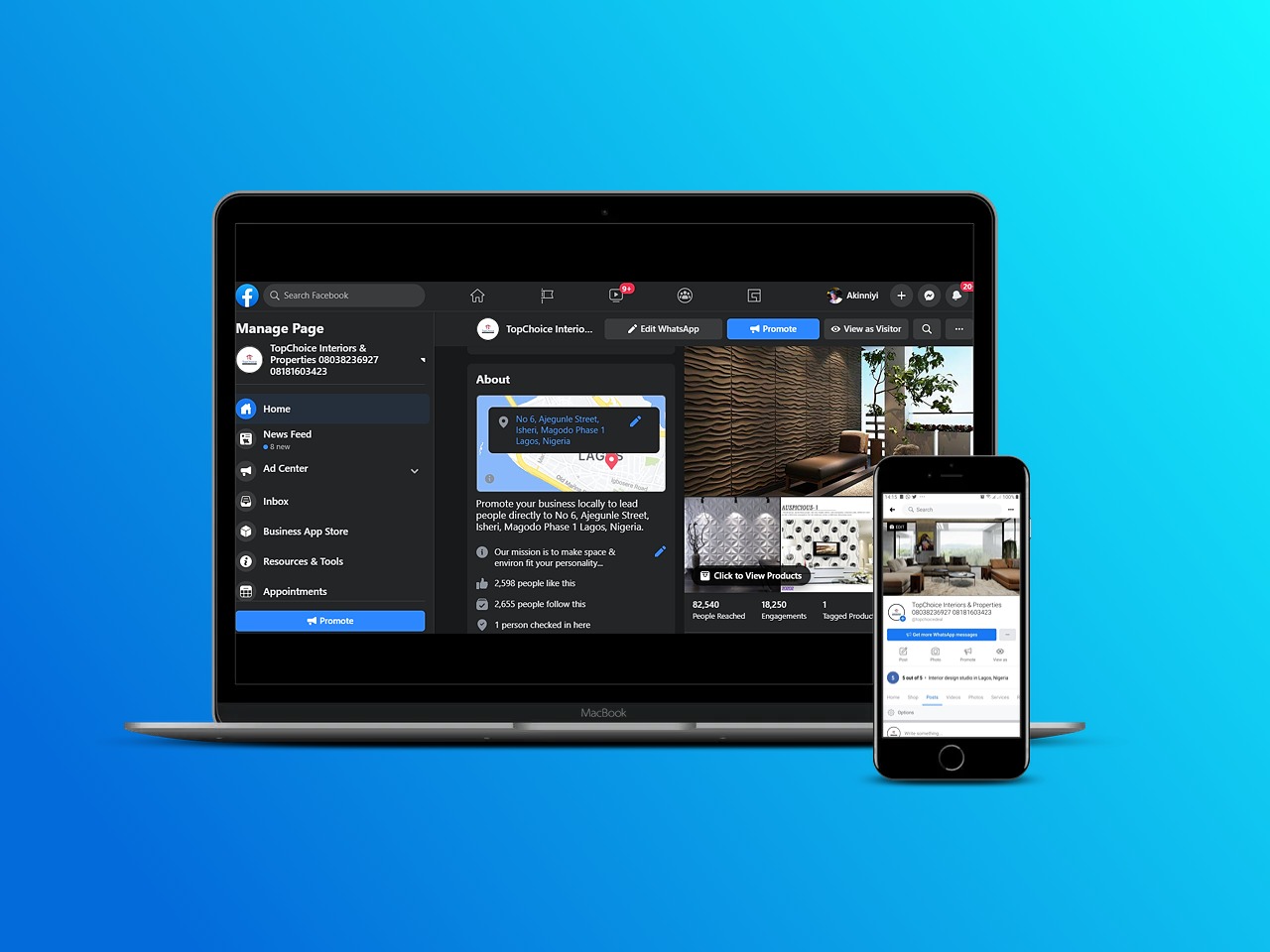
Using Facebook Pages For Your Business Growth
December 10, 2018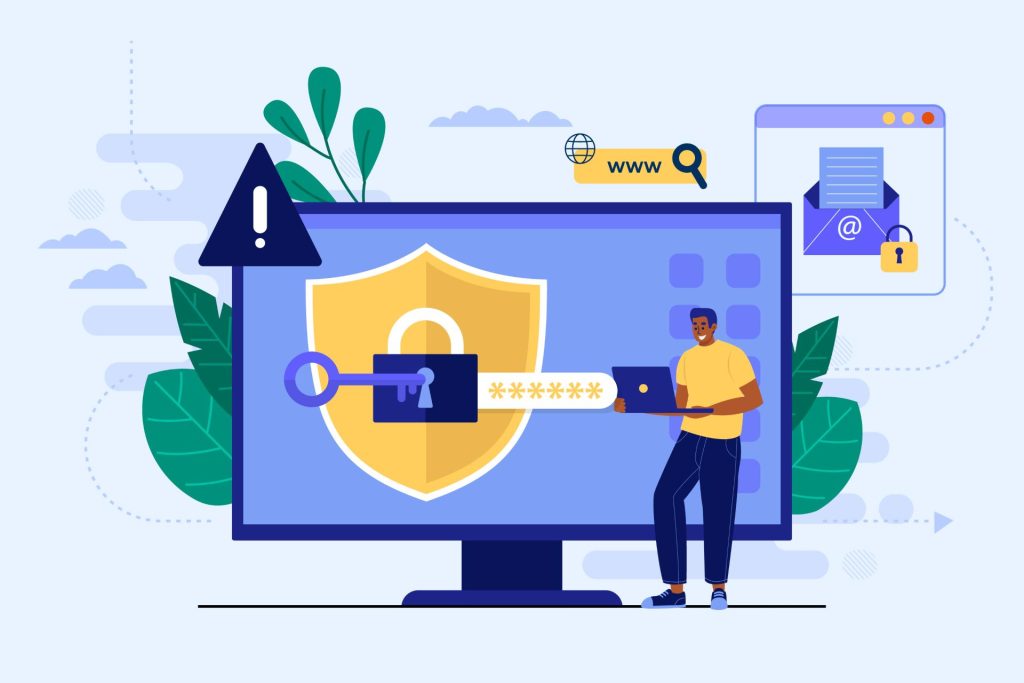
Website Security and IT Support Integration with Your Website Design for Secure Digital Footprints
In an increasingly digital world, websites serve as the front line of business interactions. However, with the rapid pace of digital transformation comes the challenge of securing these platforms against an evolving landscape of cyber threats.
Integrating robust IT support with cybersecurity practices is no longer optional—it’s a fundamental requirement to safeguard sensitive data and maintain customer trust.
This article explores how businesses can secure their websites from the ground up, emphasizing the importance of IT support, compliance standards, and proactive cybersecurity measures.
The Critical Role of Cybersecurity in Website Development
Web development in the early 2010s witnessed significant growth, yet it was also a period marked by increased vulnerabilities. Common attacks like SQL injection, cross-site scripting (XSS), and session hijacking emerged as significant threats.
Many of these vulnerabilities exploited gaps in coding practices or insufficient testing during the development phase. For instance, in 2011, an e-commerce giant experienced a data breach due to unpatched vulnerabilities in its web application.
The attack exposed millions of user accounts, costing the company millions in fines and a loss of reputation. This incident underscored the need for secure coding practices and continuous security monitoring in website development. Cybersecurity is not a post-development activity—it should be integrated into the development lifecycle.
Developers must be trained to recognize and mitigate vulnerabilities while IT support teams must collaborate to ensure robust systems are in place to monitor and respond to threats.
Read This: How Compliance with Cybersecurity Standards Enhances Digital Marketing Effectiveness
The Role of IT Support in Strengthening Website Security

IT support is pivotal in fortifying website security by providing the technical backbone for development teams. A robust IT support structure ensures:
- Timely Updates and Patching: Outdated software and plugins are gateways for hackers. IT support ensures that websites run the latest versions, closing potential vulnerabilities.
- Vulnerability Assessments: Routine scans and penetration testing allow businesses to identify weak points before attackers exploit them.
- Endpoint Security: IT teams implement firewalls, intrusion detection systems (IDS), and intrusion prevention systems (IPS) to guard against unauthorized access.
- Backup and Recovery Plan: In the event of an attack, having regular backups ensures data can be restored without significant downtime.
By bridging the gap between developers and end-users, IT support ensures websites remain operational, secure, and resilient against evolving threats.
Ensuring Compliance During Website Design
Compliance frameworks like NIST, PCI DSS, and HIPAA are designed to guide businesses in safeguarding sensitive information. Websites handling payment transactions, for example, must adhere to PCI DSS requirements to protect cardholder data. Compliance should not be viewed as a regulatory checkbox but as an opportunity to strengthen security protocols. During website development, businesses must:
- Incorporate SSL/TLS Certificates: Encryption is vital for protecting data in transit. An HTTPS-secured website not only improves security but also boosts SEO rankings.
- Implement Strong Access Controls: Role-based access ensures that only authorized personnel can make critical changes to the website.
- Maintain Audit Trails: Logging and monitoring website activities provide visibility into potential security incidents and ensure compliance with regulatory requirements.
Actionable Steps for Building Secure Websites
To ensure websites are secure and compliant, businesses should follow these best practices:
- Conduct Regular Security Audits: Regularly evaluate the website’s security posture to identify and remediate vulnerabilities.
- Adopt Secure Development Frameworks: Tools like OWASP provide guidelines for writing secure code and preventing common vulnerabilities.
- Educate Teams on Cybersecurity Awareness: Developers, IT teams, and even non-technical staff should be trained on cybersecurity fundamentals to recognize potential risks.
- Leverage Security Tools: Employ web application firewalls (WAF), intrusion detection systems (IDS), and endpoint detection and response (EDR) solutions to monitor and protect your infrastructure.
By embedding these steps into the development process, businesses can minimize risks and build trust with their users.
Your Business Needs a Secure Landing Page
With a landing page, you stand a better chance of success with your ad campaign, and reaching your exact target audience.
My Conclusion About Website Security, Compliance and IT Support.
The integration of IT support and cybersecurity into website development is not just a technical necessity—it’s a strategic imperative. Businesses must proactively secure their digital assets to prevent costly breaches, comply with regulatory standards, and maintain customer trust.
Are your websites secure and compliant? Take the first step toward fortifying your digital footprint by consulting with a cybersecurity expert today.
Invest In A Secured Mobile-Friendly Website Today
The investment of having a mobile-friendly website will save you time and money in the long run and also improve your business massively.
At Capremark Network, we will help you develop an affordable website that is mobile responsive, SEO friendly, and secure. This will allow your online audience to clearly and securely view your web pages on all devices.
Contact Us Now!
FAQ’s About Affordable Mobile-friendly Website
-
What Is a Mobile-Friendly Website?
A mobile-friendly website or a responsive website simply means that the information (images, texts, videos, links) displayed on your website can be perfectly viewed across different devices, screens, platforms, and most importantly, on smaller screens such as smartphones, tablets, and even the modern smartwatches.
-
What Is The Difference Between A Mobile-Friendly Website And A Mobile Website?
With a mobile-friendly (responsive) website, you will not need to manage different website materials and files because your website will be designed to respond to the exact needs of the user and the device they are using to access your website from only one place.
While a mobile website is created specifically for mobile devices alone. This means that if you have a mobile website, you will have to manage both your main business website and your mobile website separately. -
Is It Necessary To Have A Mobile Website?
Yes, it is very necessary for your business website to be mobile-friendly in today’s business world. It will help you reach a wider target audience, rank higher on search engines, make more sales, and look professional.
-
Can I Find An Affordable Website Designer In Nigeria?
Yes. Capremark Network can help you design a very affordable and responsive website for your business.
Contact us via phone calls or WhatsApp on +234-8092691279